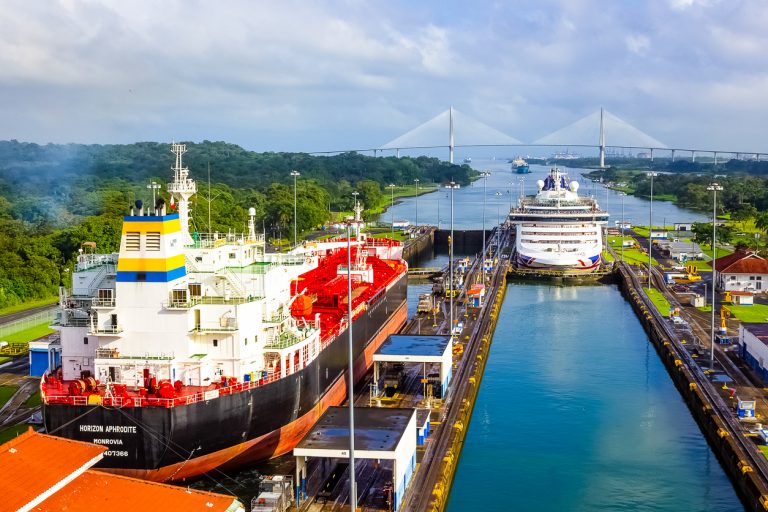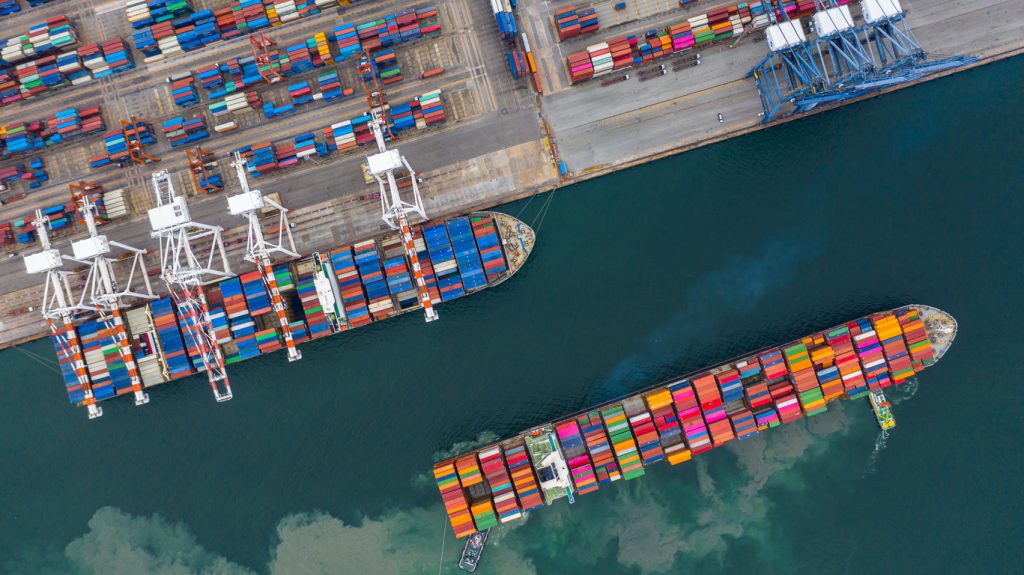
Most import delays are not caused by the ship. They are caused by paperwork that was started too late, and by the time the vessel is alongside, the delay is already fixed. This is the sequence a Nigerian import actually runs through, and where the pressure points sit.
1. Before anything ships: Form M
Nothing legitimate moves without it. Form M is the electronic import declaration, processed through an Authorised Dealer Bank, and it is required whether or not foreign exchange is involved. It is filed before your supplier ships, against a proforma invoice carrying the HS code and country of origin.
To open one you need a Nigerian registered company (CAC), FIRS registration, a Tax Identification Number and an email address tied to that TIN. If your company documents are not in order, that is the real start date of your import, not the date you place the order.
2. Classification: the HS code
The HS code on the Form M determines the duty rate, and it follows the shipment all the way through. Get it wrong and you either overpay on every future consignment or you trigger a query that parks the container. Classification is worth getting right once, properly.
3. In transit: PAAR
While the cargo is moving, a licensed customs agent files for the Pre-Arrival Assessment Report. The PAAR is issued by the Nigeria Customs Service and carries the agreed HS code, the accepted value and the duty assessment. One PAAR covers one shipment.
This is the step that decides whether your cargo clears or sits. A PAAR raised while the vessel is still at sea means duty can be paid and the file can be ready on arrival. A PAAR started after arrival means the clock is already running on demurrage.
4. Duty and taxes
The assessment is not just the headline duty rate. Duty is charged on the CIF value, then a 7% surcharge is applied to the duty itself, a 0.5% ECOWAS levy to the CIF, a 1% inspection levy to the FOB value, and 7.5% VAT on the whole lot combined. On a 10% duty line the total lands closer to 20% of CIF than to 10%.
The full breakdown is here, and you can run your own figures through the duty calculator before you commit to an order.
5. Arrival, channel and examination
On arrival Customs assigns the declaration to a channel. A documentary review moves fastest; a scanner check takes longer; a full physical examination takes longest. The channel is driven by risk, and risk is driven by how clean and consistent your documentation is. Mismatches between the invoice, the packing list and the bill of lading are the most common reason a file gets pulled.
6. Regulatory agencies
Customs is not the only body with a hold. Depending on what you are importing, SON, NAFDAC, Quarantine or Port Health may each need to sign off. Each of these is predictable if the certification was arranged before shipment and painful if it was not.
7. Release and delivery
Once duty is paid, the agencies have released and the terminal is satisfied, cargo leaves the gate. From there it is a haulage question: flatbed or sided, which corridor, and whether the receiving site can actually offload what is arriving.
Where the time actually goes
Almost every expensive import we see went wrong in steps 1 to 3, not steps 5 to 7. Documents raised late, an HS code nobody checked, a certificate that had to be applied for after the goods were already on the water. The port is where the cost becomes visible; it is rarely where it was created.
If you are planning an import and want the paperwork started in the right order, send us the route and commodity and we will tell you what needs to be in place before your supplier ships.
Want this priced against your actual route?
Send the route, commodity and rough weight and a named coordinator comes back with rates and the duty position.
Request rates