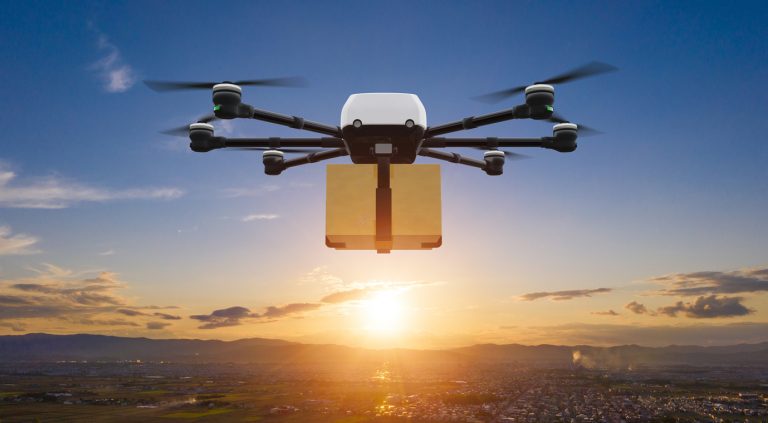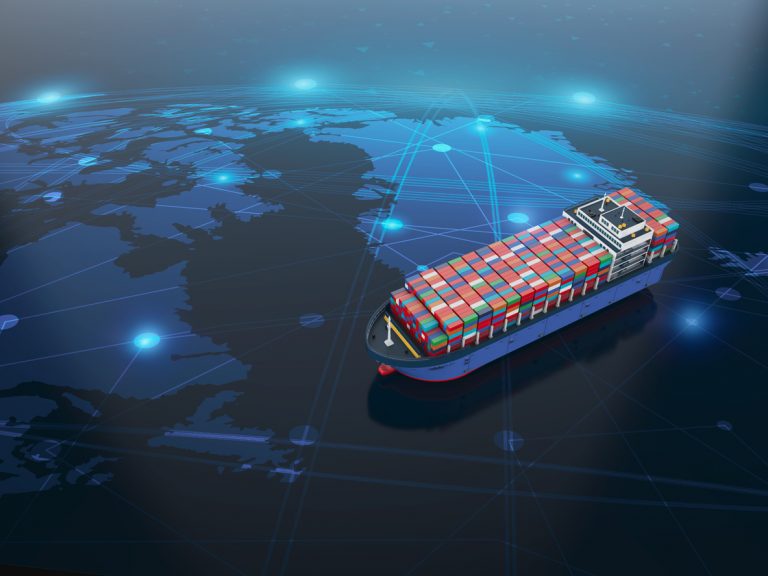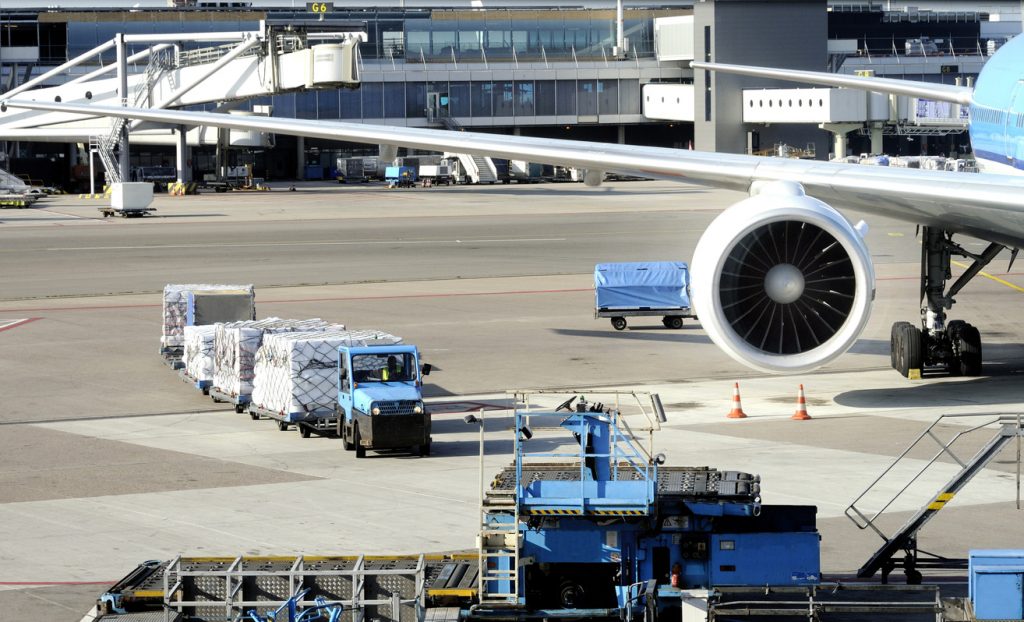
The usual way to frame this is speed versus cost. That framing is incomplete in Nigeria, because freight forms part of the dutiable value. Choosing air does not just raise your freight cost — it raises the CIF value that duty, ETLS and VAT are all calculated on.
The hidden multiplier
Duty is charged on CIF: goods plus insurance plus freight. So every additional dollar of freight is also taxed. On a 20% duty line, an extra dollar of freight costs more than a dollar once the duty, the 7% surcharge, the ECOWAS levy and 7.5% VAT have all been applied on top of it.
This does not mean air is wrong. It means the comparison has to be done on landed cost, not on freight quotes. Run both scenarios through the duty calculator and the gap is often different from what the freight rates alone suggest. The full charge structure is here.
When air earns its cost
- High value, low weight. Electronics, instruments, components. Freight is a small fraction of goods value, so the duty multiplier barely registers.
- The cost of not having it is larger than the freight. A production line down, a tender deadline, a contractual penalty.
- Short shelf life or time-sensitive stock. Where sitting on water destroys the value.
- Samples and pre-production. Where speed of iteration is the whole point.
When ocean is obviously right
- Dense, heavy, low-value-per-kilo cargo. Building materials, raw inputs, bulk packaging.
- Predictable replenishment. If you can plan the cycle, the transit stops being a problem.
- Anything where freight would be a meaningful share of goods value by air. That share gets taxed.
The option people forget
Splitting the consignment. Air the part that is urgent — the components that unblock production, the stock that is already sold — and ocean the balance. For importers with a mix of urgent and routine lines this is usually cheaper than treating the whole order as one decision.
Similarly, LCL sits between the two: slower than air, more flexible than waiting to fill a container.
What does not change with mode
The paperwork. Form M before shipment, PAAR in transit, the same agencies, the same classification. Air gives you less time to get it right, not less to do — which is why air shipments with late documentation routinely lose the time advantage that was paid for.
We run both, into Lagos and Abuja by air and into Apapa and Tin Can by sea. Send the route, commodity and rough weight and we will price both so you can compare on landed cost rather than freight rate.
Want this priced against your actual route?
Send the route, commodity and rough weight and a named coordinator comes back with rates and the duty position.
Request rates